When it comes to getting behind the wheel, the choice between renting vs leasing a car can be a bit of a head-scratcher for many. Each option offers unique advantages that cater to different needs and lifestyles, making it essential to understand the nuances before making a decision.
Renting usually appeals to those seeking short-term solutions, perfect for vacations or temporary needs, while leasing provides a long-term commitment ideal for individuals wanting the latest models without the hassle of ownership. By delving into the key differences, financial implications, and personal circumstances, we can help clarify which option might be the right fit for you.
Understanding Renting vs Leasing a Car
Renting and leasing a car can often be confused, but they serve different purposes and come with distinct terms, benefits, and responsibilities. Recognizing these differences is essential for making an informed decision based on your personal or business needs. Whether you need a vehicle for a short getaway, a temporary job, or a long-term commitment, understanding the nuances between renting and leasing will guide you to the right choice.When it comes to the key differences between renting and leasing a car, the duration and usage flexibility often stand out.
Renting a car typically involves a short-term agreement, allowing you to use a vehicle for a few hours to several days. In contrast, leasing a car generally requires a commitment for a longer period, usually between two to four years, where monthly payments are made for the right to use the vehicle. Additionally, rental agreements often include mileage limits, while leased vehicles usually have a predetermined mileage allowance that can incur additional fees if exceeded.
Situations Favoring Renting Over Leasing
There are several scenarios where renting a car can be more beneficial than leasing. Here are a few common situations:
- Traveling: When you’re on vacation or a business trip, renting a car gives you the flexibility to choose a vehicle that suits your immediate needs without the long-term commitment of a lease.
- Temporary Needs: If you require a vehicle for a specific event—like a wedding or family reunion—renting offers a short-term solution without the complexities of purchasing or leasing.
- Testing a Car: Renting allows you to drive a vehicle for a short duration, giving you a chance to experience its features and performance before deciding if you’d want to lease or buy it.
Advantages of Leasing for Long-Term Vehicle Use
Leasing a car has its own set of advantages, especially for those who plan on using a vehicle for an extended period. Here are the key benefits:
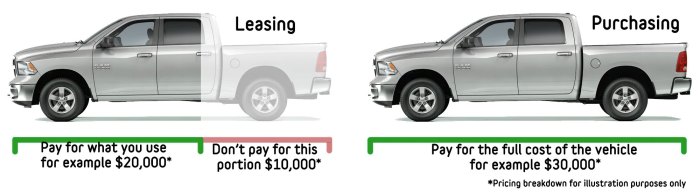
- Lower Monthly Payments: Leasing often requires lower monthly payments compared to buying a car, making it more affordable over time for individuals who want to drive a new vehicle.
- Access to Newer Models: Leasing allows you to drive newer models with the latest features and technology, enhancing your driving experience and safety.
- Warranty Coverage: Most leases include warranty coverage for the duration, meaning that maintenance costs are often minimized, providing peace of mind against unexpected repairs.
- Flexibility at the End of Term: At the end of a lease, you have the option to purchase the vehicle, extend the lease, or lease a different car altogether, giving you adaptability based on your current needs.
The choice between renting and leasing a car hinges on your specific requirements, lifestyle, and how frequently you need a vehicle. Understanding these options can lead to a more satisfactory driving experience.
Factors to Consider When Choosing
When deciding between renting and leasing a car, several factors come into play that can significantly impact your decision. It’s essential to weigh the financial implications, flexibility, and duration of use to determine the best option for your needs. Understanding these aspects will aid in making an informed choice that suits your lifestyle and budget.
Financial Implications of Renting and Leasing
The financial dynamics of renting versus leasing a vehicle are crucial to consider. Renting typically involves paying for the use of a car on a short-term basis, with costs that often include insurance and maintenance. Leasing, on the other hand, usually requires a down payment and offers monthly payments over a longer duration, which may lead to a lower monthly expense compared to purchasing outright.
Consider the following financial aspects:
- Initial Costs: Renting usually has lower upfront costs, while leasing may require a down payment.
- Monthly Payments: Lease payments tend to be lower than loan payments for buying a new car but can be higher than rental fees for short-term use.
- Insurance Obligations: Rentals often include insurance costs in the rate, while leased vehicles require the lessee to obtain insurance independently.
- Maintenance Costs: Maintenance is generally covered in leasing agreements, while renters may have to manage these costs themselves.
Understanding the financial structure is vital to avoid unexpected expenses in both renting and leasing.
Flexibility Offered by Renting Compared to Leasing
One of the standout characteristics of renting a vehicle is the flexibility it provides. Rentals allow drivers to choose from a wide range of vehicles for different needs without long-term commitments. This is particularly beneficial for those who may require a car for brief periods, such as vacations or business trips.Key flexible features of renting include:
- Short-Term Use: Rentals can be arranged for just a few days to several weeks, accommodating various short-term needs.
- No Long-Term Commitment: Renters can easily switch vehicles or return them without penalties, as opposed to lease agreements that typically last several years.
- Variety of Options: Renting allows access to diverse vehicle types, ideal for specific purposes like transporting groups or off-road adventures.
Flexibility in vehicle choice and duration makes renting an appealing option for many users.
Duration of Use and Its Influence on the Decision
The length of time you plan to use a vehicle significantly sways the decision towards renting or leasing. If you anticipate using the car for an extended period, leasing might be more cost-effective and beneficial. However, for transient or short-term needs, renting becomes the more practical solution.Here are considerations based on duration:
- Short-Term Needs: Renting is ideal for those who only need a vehicle temporarily, such as during travel or while their own car is being serviced.
- Long-Term Commitments: Leasing serves well for individuals who want a new vehicle every few years without the hassle of buying and selling.
- Usage Frequency: If a car is used daily for commuting, leasing might offer more financial sense due to lower monthly payments compared to frequent rentals.
The duration of vehicle use directly influences costs and commitment levels associated with both renting and leasing options.
Related Topics and Their Impact
When considering the dynamics of renting versus leasing a car, several related topics can significantly influence your decision. Understanding how car insurance rates vary between these options, the differences in services offered by rental and leasing companies, and the process involved in ending these agreements is crucial for any potential renter or leaser. The nuances in these areas can impact your overall cost and experience in ways that are essential to grasp.
Car Insurance Rates for Renting and Leasing
Car insurance rates can vary considerably when it comes to renting versus leasing a vehicle. Rental cars typically come with insurance options offered directly by the rental company, allowing renters to choose between purchasing additional coverage or relying on their personal auto insurance. In many cases, personal policies may extend coverage to rental vehicles, but not always fully. On the other hand, leasing a car often requires lessees to carry comprehensive and collision insurance, fulfilling the leasing company’s requirements.
This additional coverage can lead to higher insurance premiums. According to recent industry data, lessees might see anywhere from a 10% to 30% increase in insurance costs compared to renting, depending on the vehicle type and market conditions.
Comparison of Car Rental Services and Leasing Companies
When evaluating car rental services against leasing companies, various factors come into play, including cost, flexibility, and vehicle options. Below is a comparison table summarizing key features:
| Feature | Car Rental Services | Leasing Companies |
|---|---|---|
| Contract Duration | Short-term (daily to weekly) | Long-term (typically 2-4 years) |
| Insurance Options | Available through rental agency | Must carry personal insurance |
| Maintenance Responsibility | Usually covered by rental company | Responsibility of lessee |
| Flexibility | High, vehicles can be changed often | Low, vehicles are kept for the lease term |
| Vehicle Selection | Wide variety available | Specific models from one manufacturer |
This table illustrates the distinct differences between car rentals and leasing options, helping you weigh the pros and cons of each.
Process of Selling a Leased Car Versus a Rented Car
The conclusion of a rental or lease agreement has different implications when it comes to selling or returning the vehicle. For a rented car, at the end of the rental period, the vehicle is simply returned to the rental agency without any further obligations. Renters are not responsible for the car’s resale value since they do not hold ownership.In contrast, when leasing a car, the process is more complex.
Upon termination of the lease, the lessee must return the vehicle to the leasing company, which will assess any wear and tear. If the lessee desires to buy the car, they can often do so at a predetermined price, known as the residual value, stipulated in the lease agreement. It is important to note that the condition of the vehicle can significantly impact the final buyout price.
“Understanding the differences in ownership, responsibility, and potential resale value between renting and leasing cars is essential for making informed decisions.”
Ultimate Conclusion
In summary, the decision between renting and leasing a car ultimately hinges on your personal preferences and specific requirements. Whether you’re looking for flexibility and convenience or a longer-term vehicle solution, understanding the intricate details of both options will empower you to make an informed choice that best suits your lifestyle.
FAQ Guide
What are the main differences between renting and leasing a car?
Renting is generally for short-term use, while leasing involves long-term commitments, often with more favorable monthly payments.
Can I modify a leased car?
No, modifications to a leased car are usually not allowed without permission from the leasing company.
Do I need insurance when renting a car?
Yes, you must have insurance when renting a car, either through your own policy or by purchasing coverage from the rental company.
What happens at the end of a lease?
At the end of a lease, you typically return the vehicle, but you may also have the option to purchase it at a predetermined price.
Are there mileage limits with leasing?
Yes, most leases have mileage limits, and exceeding those limits can result in additional fees.


