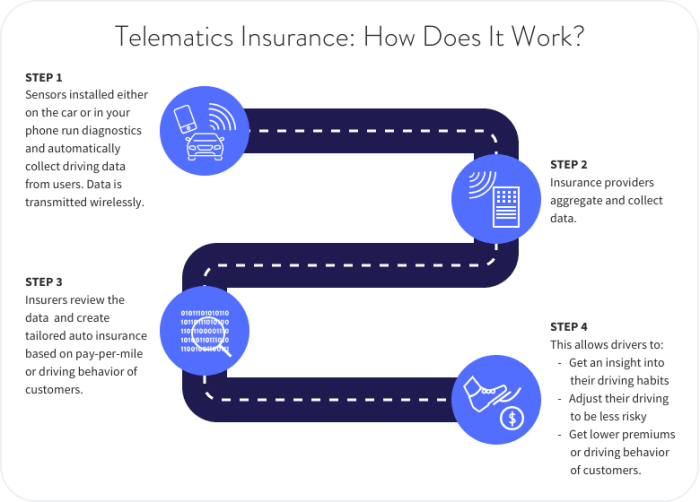
With Telematics and car insurance savings at the forefront, this innovative approach is transforming how drivers manage their insurance costs. By leveraging technology, telematics allows insurers to monitor driving habits in real-time, leading to personalized premiums and potential savings. This breakthrough not only reshapes the insurance landscape but also empowers drivers to make informed decisions about their coverage.
Understanding the intricacies of telematics in car insurance reveals a world of possibilities. Factors such as driving speed, braking patterns, and mileage play crucial roles in determining savings. Several insurance companies have embraced this technology, offering programs that reward safe driving with lower premiums. As we dive deeper, we uncover how this system benefits both insurers and drivers alike.
Telematics in Car Insurance
Telematics technology is revolutionizing the car insurance industry by providing insurers with precise data about driving behaviors, which in turn allows for more personalized and potentially lower premiums. This innovation leverages GPS and onboard diagnostics to collect a wide range of information, enabling insurers to assess risk more accurately based on real-time data rather than traditional metrics.Telematics works by integrating devices into vehicles that monitor various driving behaviors such as speed, acceleration, braking patterns, and cornering.
This data is then transmitted to the insurance providers, who analyze the information to evaluate risk. Drivers who exhibit safe driving habits can receive discounts on their premiums, while those with riskier behaviors might face higher costs. Key factors influencing car insurance savings through telematics include driving speed, mileage, time of day when driving occurs, and the frequency of hard braking or rapid acceleration.
Factors Influencing Car Insurance Savings Through Telematics
Understanding the factors that can lead to savings through telematics is crucial for drivers looking to maximize their benefits. The following points illustrate how various driving behaviors and conditions can affect insurance costs:
- Driving Speed: Maintaining a steady and legal speed can lead to significant savings as it indicates a lower risk of accidents.
- Braking Patterns: Smooth and gradual braking reduces wear on the vehicle and minimizes the risk of collisions, which is favorable for insurance assessments.
- Time of Day: Driving during safer hours, such as daylight, typically results in lower risk profiles compared to late-night driving.
- Distance Driven: The fewer miles driven, the lower the chance of being involved in an accident, leading to potential discounts.
- Driving Habits: Gentle cornering and avoiding rapid acceleration can showcase responsible driving, further lowering insurance premiums.
Several insurance companies have embraced telematics to offer savings programs that reward safe driving behaviors. Companies like Progressive with its Snapshot program, Allstate’s Drivewise, and State Farm’s Drive Safe & Save allow policyholders to monitor their driving habits via mobile apps or dedicated devices installed in their vehicles. For example, through Progressive’s Snapshot, drivers can receive discounts of up to 30% based on their driving data collected over a policy period.
By leveraging telematics technology, both insurers and drivers can benefit from a more tailored insurance experience that promotes safer driving and responsible road use, while also providing financial incentives for good behavior.
Benefits of Telematics for Drivers
Telematics technology is transforming the way drivers approach their insurance policies and personal driving habits. By utilizing GPS and onboard diagnostics, telematics devices provide real-time feedback on driving patterns, enabling drivers to gain insights into their behavior behind the wheel. This not only fosters safer driving practices but can also lead to significant financial savings on insurance premiums.One of the primary advantages of telematics for personal driving habits lies in the detailed data it provides.
Drivers can receive feedback on various aspects of their driving, including speed, braking patterns, acceleration, and cornering. This awareness can encourage safer driving behaviors, as drivers learn to adjust their habits based on the feedback received. For instance, a driver who frequently accelerates too quickly may receive alerts through their telematics system, prompting them to adopt smoother driving techniques. Over time, these adjustments can lead to lower accident rates and improved overall road safety.
Personalized Insurance Premiums
Telematics data plays a crucial role in the customization of insurance premiums for drivers. Insurance companies utilize this data to assess risk more accurately, allowing them to tailor premiums based on individual driving behaviors rather than relying solely on generic factors like age or location. This approach can result in significant savings for safe drivers who may have previously been paying higher premiums without justification.The connection between driving behavior and premium calculations can be illustrated through the following points:
- Safe driving habits, evidenced by telematics data, can qualify drivers for discounts. A driver who demonstrates consistently safe behavior may see their premiums decrease over time.
- Telematics allows for more granular assessments of risk. Insurance companies can identify specific behaviors that correlate with lower accident rates, leading to fairer pricing.
- The data collected can create a feedback loop; as drivers adjust their habits to reduce costs, they may enhance their safety on the road, leading to lower claims and further premium reductions.
Case Studies of Savings Through Telematics Tracking
Numerous case studies highlight the financial benefits of telematics tracking for drivers. For example, a driver named Sarah started using a telematics app last year. Initially, her insurance premium was $1200 annually. After six months of using the app, which tracked her safe driving behaviors, she received a discount of $300, bringing her annual premium down to $900. Another case involves a small business owner, Tom, who used telematics for his delivery fleet.
By monitoring the driving habits of his drivers, he was able to implement better training programs that focused on safe driving practices. Over the course of a year, Tom reported a 20% reduction in insurance costs, saving approximately $2000 due to fewer accidents and claims.These examples illustrate how telematics not only helps individual drivers save money but also fosters a culture of safety and responsibility on the road, ultimately benefiting everyone involved.
Telematics Impact on Car Rental and Selling
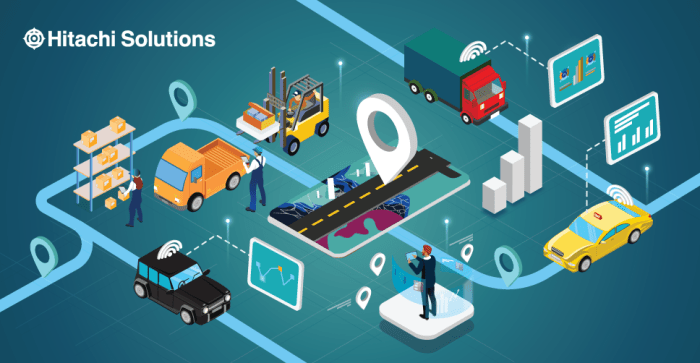
Telematics technology is revolutionizing the landscape of car rental and selling. By leveraging data from connected vehicles, companies can enhance user experience, optimize fleet management, and create more competitive pricing strategies. This shift not only benefits rental agencies but also provides consumers with potential savings and better service. Additionally, telematics is reshaping the traditional methods of car selling, bringing in innovative strategies that appeal to tech-savvy customers.
Enhancements in Car Rental Experience
Telematics offers significant advantages for car rental companies, allowing them to gather real-time data about vehicle performance and customer usage. This data can be utilized to enhance the overall rental experience by tailoring services to customer needs. For instance, telematics can help rental companies manage their fleets more effectively by monitoring vehicle health, reducing maintenance costs, and minimizing downtime. Some key benefits include:
- Dynamic Pricing Models: Using telematics data, rental companies can implement dynamic pricing that adjusts based on demand, vehicle availability, and customer behavior. This can lead to substantial savings for customers who rent during off-peak times.
- Improved Safety Features: Telematics allows for the integration of advanced safety features such as emergency response services and real-time roadside assistance, providing peace of mind for renters.
- Personalized Experiences: Rental agencies can offer personalized recommendations and services based on previous rental history and driving patterns, enhancing customer satisfaction.
Telematics-Enabled Selling Strategies
The integration of telematics into car selling strategies contrasts sharply with traditional methods. While traditional selling often relies on static vehicle data and manual assessments, telematics empowers sellers with comprehensive vehicle history and performance data that can enhance the sales process.Key differences include:
- Comprehensive Vehicle Insights: Telematics provides detailed insights into a vehicle’s usage, maintenance history, and overall health, giving potential buyers confidence in their purchase.
- Targeted Marketing: Data-driven marketing strategies can be deployed to reach specific customer segments, optimizing sales efforts and improving conversion rates.
- Enhanced Trade-In Processes: Telemetry data can streamline the trade-in process by providing accurate, up-to-date evaluations of a vehicle’s worth based on actual usage and condition.
Resale Values Impacted by Telematics
Telematics significantly influences the resale values of vehicles by providing an accurate depiction of their condition and usage. Cars equipped with telematics systems tend to retain higher resale values due to the transparent data available about their performance and maintenance.Key factors include:
- Proven Maintenance Records: Vehicles with documented maintenance and performance history can command higher prices in the resale market, as buyers feel more assured of their reliability.
- Lower Risk of Fraud: With telematics data, potential buyers can verify claims about a vehicle’s condition, reducing the likelihood of fraud and enhancing trust in transactions.
- Marketability: Cars with advanced technology features, including telematics systems, are often more appealing to buyers, resulting in faster sales and potentially higher offers.
Concluding Remarks
In conclusion, the integration of telematics into car insurance represents a significant shift in the industry, offering drivers an opportunity to save money while promoting safer driving habits. As more insurance providers adopt these technologies, the potential for savings and enhanced driving experiences continues to grow. By embracing telematics, drivers not only save on premiums but also contribute to a broader movement towards safer roads.
Top FAQs
What is telematics in car insurance?
Telematics in car insurance refers to the use of technology to monitor driving behavior and provide data that can influence insurance premiums.
How can I save money with telematics?
By demonstrating safe driving habits through telematics, drivers can qualify for discounts on their insurance premiums.
Which companies offer telematics programs?
Many insurers, including Progressive and State Farm, offer telematics-based programs that reward safe driving.
Is telematics expensive to implement?
Typically, telematics systems are provided at no cost by insurance companies as part of their savings programs.
Can telematics affect my car’s resale value?
Yes, cars equipped with telematics may have a higher resale value due to their documented safety and usage history.


